Source children car seat belt cover for Safety, Comfort, and Style
Compare 30 verified listings for children car seat belt cover options featuring plush materials, universal fitment, and multiple color choices. Buyers can evaluate specifications, MOQs, and customization availability from suppliers in China; compare the available evidence and request quotations based on your requirements.
Key considerations
Products List





Comprehensive Sourcing Guide
Children Car Seat Belt Cover Sourcing Guide
Sourcing children car seat belt covers requires balancing comfort, safety, and aesthetic customization. These accessories primarily serve to soften the hard plastic buckles and shoulder anchors that can irritate a child’s skin during long journeys. Buyers must distinguish between simple plush covers that slip over existing belts and integrated systems that modify the belt’s geometry. The market offers various materials, from soft polyester to woven fabrics, each offering different durability and cleaning profiles. Procurement teams should prioritize products that do not interfere with the seat belt’s locking mechanism or emergency release function.
The observed market signals indicate a wide range of product types, including universal model covers and specialized baby seat accessories. Listings show price points ranging from $0.45 to $32.50, reflecting significant variation in material quality and packaging. Minimum order quantities vary from 50 pieces for smaller plush items to 2,000 pieces for more complex fabric goods. This disparity suggests that buyers should segment their procurement strategy based on volume needs and product complexity. Understanding these market signals helps in setting realistic budget expectations and supplier engagement timelines.
Product Scope and Observed Listing Signals
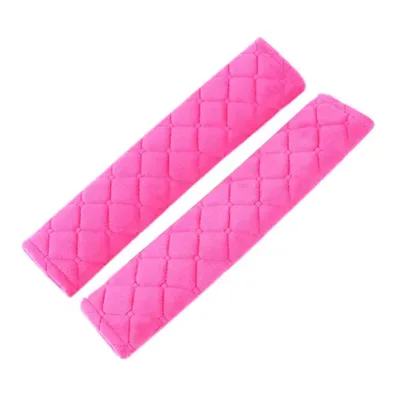
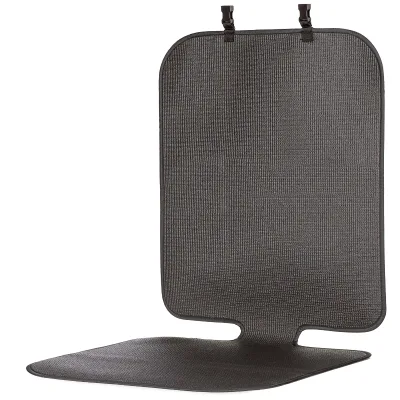
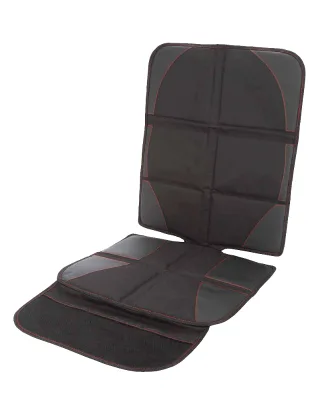
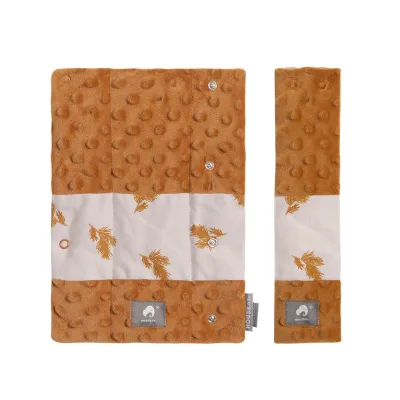
The product scope encompasses a variety of items, from simple shoulder strap pads to more comprehensive baby seat configurations. Observed listings include products labeled as "Car Seat Belt Cover" made from polyester, as well as "Black Safety Baby Car Seat" items constructed from fabric with PVC backing. The color palette is diverse, featuring options like black, pink, beige, purple, and gray, allowing for customization to match vehicle interiors. Buyers should note that some products are marketed with keywords like "Plush Car Seatbelt Cover," indicating a focus on tactile comfort, while others emphasize structural features like "Rearfard Facing/Forward Facing Both" compatibility.
Listing signals also reveal significant variation in packaging and branding capabilities. Some suppliers offer OEM logo acceptance, catering to private label opportunities, while others provide standard packaging such as OPP bags with color cards. The observed single gross weights are often listed as 0.0 kg, which may indicate lightweight components or data entry inconsistencies that require verification. Additionally, the presence of "Business Services" style tags alongside "Car Accessaries" suggests a hybrid market where both retail and B2B procurement channels are active. Buyers must carefully review these signals to align product selection with their specific distribution channels.
Technical Specifications to Verify
Technical verification begins with material composition and dimensional accuracy. Buyers should confirm whether the product is made from polyester, woven fabric, or other textiles, as these materials affect breathability and wear resistance. The observed size specifications vary, with some items measuring 266cm for shoulder covers and others reaching 4566*57cm for larger seat configurations. It is critical to verify that the dimensions match the intended vehicle model, especially for "Universal Model" claims, which may not fit all car types perfectly. Suppliers should provide detailed size charts to prevent fitment issues and returns.
Construction details and functional attributes are equally important for technical validation. Products should be examined for secure attachment methods that prevent slipping during travel. The observed "Woven" technics and "Square" shapes suggest specific structural designs that buyers must evaluate for durability. Additionally, the "Single volume" and "Single gross weight" fields often require clarification, as listed zeros may not reflect actual shipping dimensions. Buyers should request physical samples to test the ease of installation and removal, ensuring that the covers do not compromise the seat belt’s emergency functionality or cause entanglement hazards.
Compliance and Safety Documentation
Safety compliance is paramount when sourcing children’s car accessories. Buyers must verify that products meet relevant regional safety standards, such as ECE R44, which is referenced in some observed listings. This standard ensures that the product does not interfere with the seat belt’s performance in the event of a collision. Suppliers should provide test reports or certification documents proving that the materials are non-toxic and flame-resistant. Without proper documentation, buyers risk liability issues and potential regulatory penalties in their target markets.
Documentation should also cover the product’s intended use and limitations. For items marketed as "Baby Seat" accessories, buyers must ensure that the product is suitable for the specified age groups and weight ranges. The observed "Group 0, I, II" style tags indicate specific usage categories that must be clearly defined in the product manual. Buyers should require suppliers to provide clear instructions on proper installation and usage to prevent misuse. Additionally, any claims regarding "High-Quality" construction should be backed by quality control records and material safety data sheets.
Cost Drivers and Commercial Terms
Cost drivers in this category include material selection, customization options, and packaging complexity. Polyester and woven fabrics offer different price points based on quality and sourcing location. The observed MOQ ranges from 50 to 2,000 pieces, influencing unit costs significantly. Higher volumes typically yield better pricing, but buyers must balance this with inventory holding costs. Customization, such as OEM logos or specific color combinations, adds to the production cost and may increase lead times. Buyers should negotiate tiered pricing structures to maximize margins as order volumes grow.
Commercial terms also involve payment methods and shipping logistics. Observed payment options include West Union, Paypal, and Tt, each with different security and processing implications. Buyers should prefer secure payment methods for larger orders to mitigate financial risk. Shipping ports like Shanghai and Ningbo offer efficient logistics connections, but buyers must account for freight costs and lead times. The observed "Place of Origin" in Henan and Zhejiang suggests a concentration of suppliers in these regions, which can impact shipping efficiency. Clear Incoterms and delivery schedules should be established to avoid supply chain disruptions.
Supplier Qualification and Quality Control
Supplier qualification requires a thorough assessment of manufacturing capabilities and quality management systems. Buyers should verify the supplier’s production capacity to meet MOQ requirements without compromising quality. The observed "Place of Origin" in China indicates a mature manufacturing ecosystem, but buyers must conduct on-site audits or third-party inspections to ensure compliance with ethical and safety standards. Suppliers should demonstrate consistent quality control processes, including material testing and final product inspections. Requesting references from existing clients can provide insights into the supplier’s reliability and service quality.
Quality control protocols should be integrated into the procurement process. Buyers must establish clear acceptance criteria for product dimensions, material quality, and finish. The observed "Customization: Available" feature requires strict adherence to design specifications to avoid production errors. Implementing a pre-production sample approval process can prevent large-scale defects. Additionally, buyers should define a clear process for handling non-conforming products, including return policies and corrective action requirements. Regular quality audits and performance reviews help maintain high standards and foster long-term supplier relationships.
Long-Term Procurement Checks
Long-term procurement success depends on continuous monitoring of supplier performance and market trends. Buyers should track key performance indicators such as on-time delivery rates, defect rates, and responsiveness to issues. Regular communication with suppliers helps identify potential problems early and fosters collaborative problem-solving. Staying informed about changes in safety regulations and consumer preferences ensures that product offerings remain relevant and compliant. Buyers should also evaluate the supplier’s ability to innovate and introduce new products that meet evolving market demands.
Sustainability and ethical sourcing are increasingly important factors in long-term procurement strategies. Buyers should assess suppliers’ environmental practices and labor conditions to align with corporate social responsibility goals. The observed "Seasonal Classification: for Four Seasons" suggests a need for versatile products that can be marketed year-round. Buyers should develop contingency plans for supply chain disruptions, including alternative sourcing options and inventory buffers. By maintaining a proactive approach to supplier management, buyers can ensure a stable and efficient supply of children car seat belt covers.
FAQs
What materials are used for the car seat belt cover?
The car seat belt cover is made from high-quality polyester fabric with a PVC backing. This combination ensures durability and comfort for users. The material is woven to provide a soft texture suitable for children. It is available in multiple colors including black, pink, beige, purple, and gray to match various vehicle interiors.
Which car models fit this seat belt cover product?
This product is designed as a universal model to fit most standard vehicles. It is specifically categorized as a car accessory for general use rather than a specific brand. The design allows it to be installed on various seat belt types without requiring complex modifications. Buyers should verify compatibility with their specific vehicle type before ordering.
Can I customize the logo on the seat belt cover?
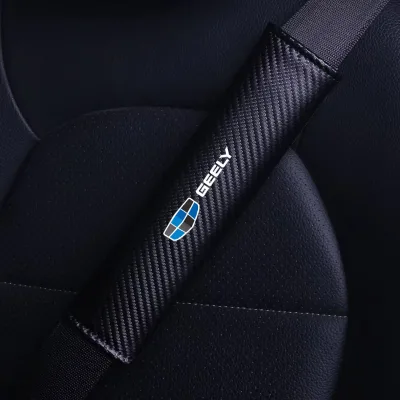
Yes, customization is available for this product including OEM logo acceptance. Buyers can request specific branding to be added to the plush car seatbelt cover. The minimum order quantity for customized items is typically 50 pieces or higher depending on the specific supplier. This service allows businesses to create branded safety accessories for their clients.
What is the minimum order quantity for this item?
The minimum order quantity varies by product type but is generally 50 pieces for the seat belt cover. Some specific baby seat models may require a higher minimum of 300 or 2000 pieces. Buyers should check the specific model number to confirm the exact MOQ. This flexibility allows small businesses to start with lower volume orders.
How do I pay for the children car seat belt cover?
Payment can be made via Western Union, PayPal, or Telegraphic Transfer. These methods are standard for international trade transactions involving these safety accessories. Buyers should confirm the preferred payment method with the supplier before finalizing the order. Secure payment channels ensure both parties are protected during the transaction process.
Where is the product manufactured and shipped from?
The products originate from manufacturing locations in Henan and Zhejiang provinces in China. Shipping ports include Shanghai and Ningbo for international logistics. The specific origin depends on the manufacturer and the product model selected. Buyers should verify the exact place of origin for their specific order to understand shipping times.
What are the dimensions of the car seat belt cover?
The standard size for the seat belt cover is 26 by 6 centimeters. This dimension ensures a snug fit for most vehicle seat belts. Some baby seat models may have different dimensions such as 45 by 66 centimeters. Buyers should refer to the specific product specifications to ensure the correct size is selected for their needs.